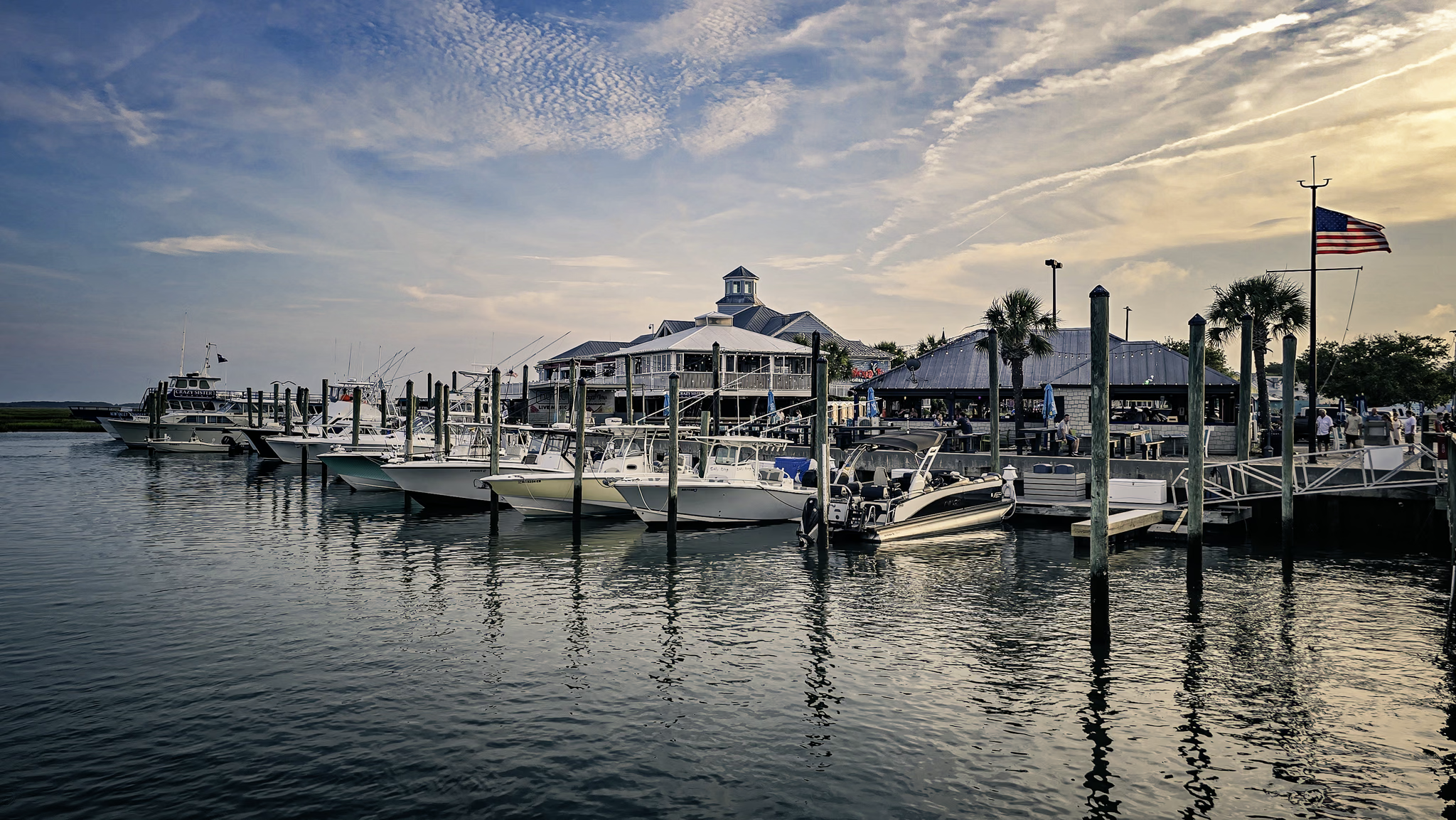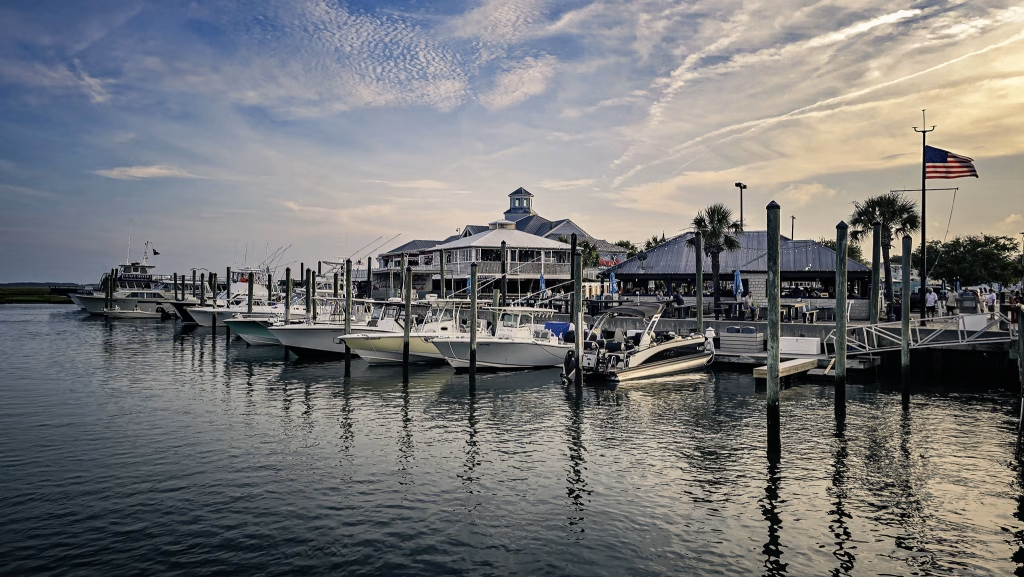
This view always gets me thinking.
I’m based in West Virginia, but I spend a good bit of time in the Myrtle Beach / Grand Strand serving clients there as well. The longer I do that, the more convinced I become that local economies have personalities.
Charleston, WV isn’t Murrells Inlet, SC.
Morgantown isn’t Myrtle Beach.
And the businesses operating in those places shouldn’t be marketed as though they are.
I Think Most Marketing Conversations Start in the Wrong Place
Most businesses are introduced to marketing through tactics.
Should we run Google Ads?
Should we post more on social media?
Should we invest in SEO?
Should we boost this post?
Those questions matter, but I think they’re secondary.
The first question should be much simpler:
What kind of economy does this business actually operate in?
Because the answer shapes everything that comes after it.
The Grand Strand Isn’t One Economy
People often describe the Grand Strand as a tourism economy.
I don’t think that’s entirely accurate.
It’s layers.
There’s the visitor economy everyone sees.
There’s the local economy that keeps businesses moving year-round.
And there are a lot of businesses trying to serve both at the same time.
A restaurant may depend on vacationers in July and local families in February.
A marina may sell charter experiences while building long-term relationships with boat owners.
A spa may market getaway packages to visitors and memberships to residents.
The same business can exist in multiple economies at once.
That changes customer behavior.
It changes buying decisions.
And it should change the marketing strategy.
West Virginia Tells a Different Story
Back home, many communities are built around different economic drivers.
Government.
Healthcare.
Education.
Energy.
Regional commerce.
College communities.
Many businesses aren’t chasing a customer who’s in town for a week.
They’re earning the trust of people who may become customers for years.
Relationships matter.
Reputation matters.
Community involvement matters.
The strategy should reflect that reality.
Why I Don’t Believe in Disconnected Marketing
This is where I think a lot of businesses get frustrated.
They’re sold a collection of activities.
Post more.
Run another campaign.
Buy more leads.
Boost another post.
Chase another vanity metric.
None of those things are strategy.
They’re just activity.
Activity without understanding the market often creates motion without momentum.
Good Marketing Starts With Economics
Before choosing platforms, campaigns, or tactics, I think businesses should understand the environment they operate in.
Marketing should reflect:
- Customer behavior
- Buying cycles
- Competition
- Seasonality
- Population movement
- Local culture
- Long-term customer value
The economy shapes the strategy.
The strategy shapes the tactics.
Not the other way around.
A Thought I’ve Come Back To Often
The more places I work, the less I believe in marketing hacks.
I believe in understanding markets.
I believe in understanding people.
I believe local economies shape customer behavior.
And I believe too many businesses are sold disconnected tactics instead of connected growth strategies.
The best marketing isn’t built around activity.
It’s built around economics.
Market Intelligence
At Ancarna, we believe business growth starts with understanding markets, customer behavior, and the economic realities businesses face every day.
Because disconnected tactics create activity.
Connected strategies create growth.